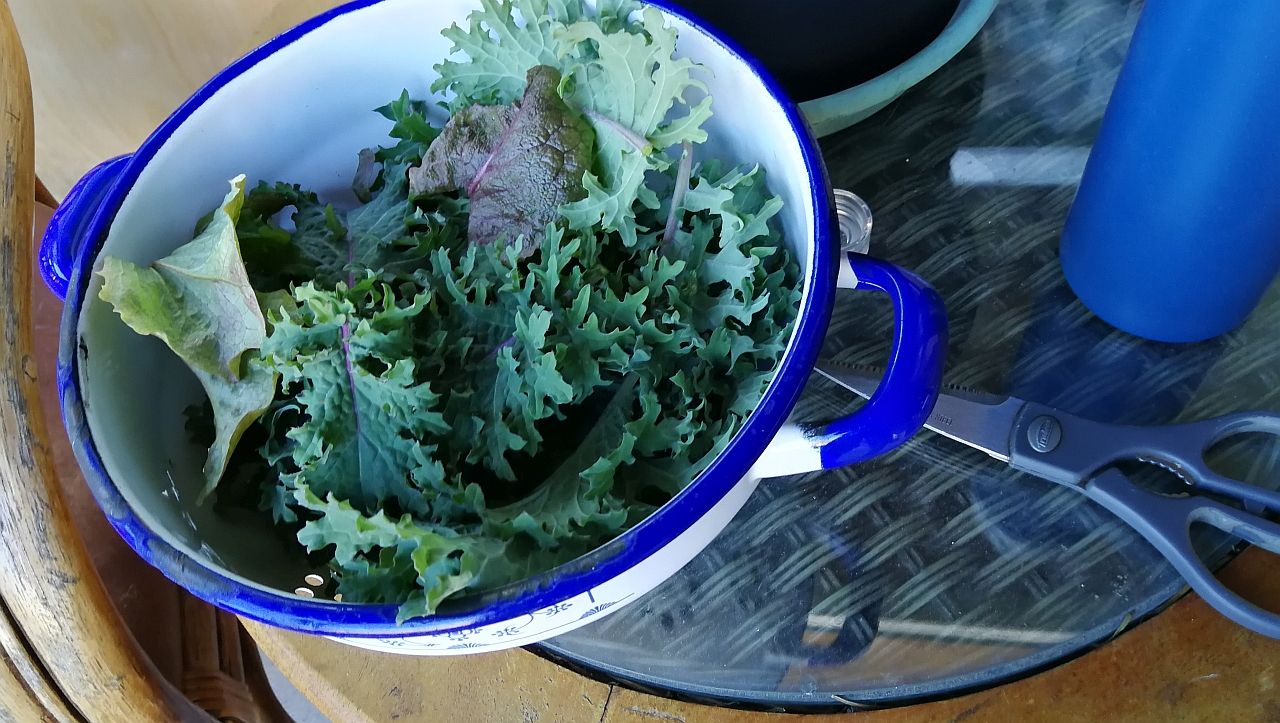
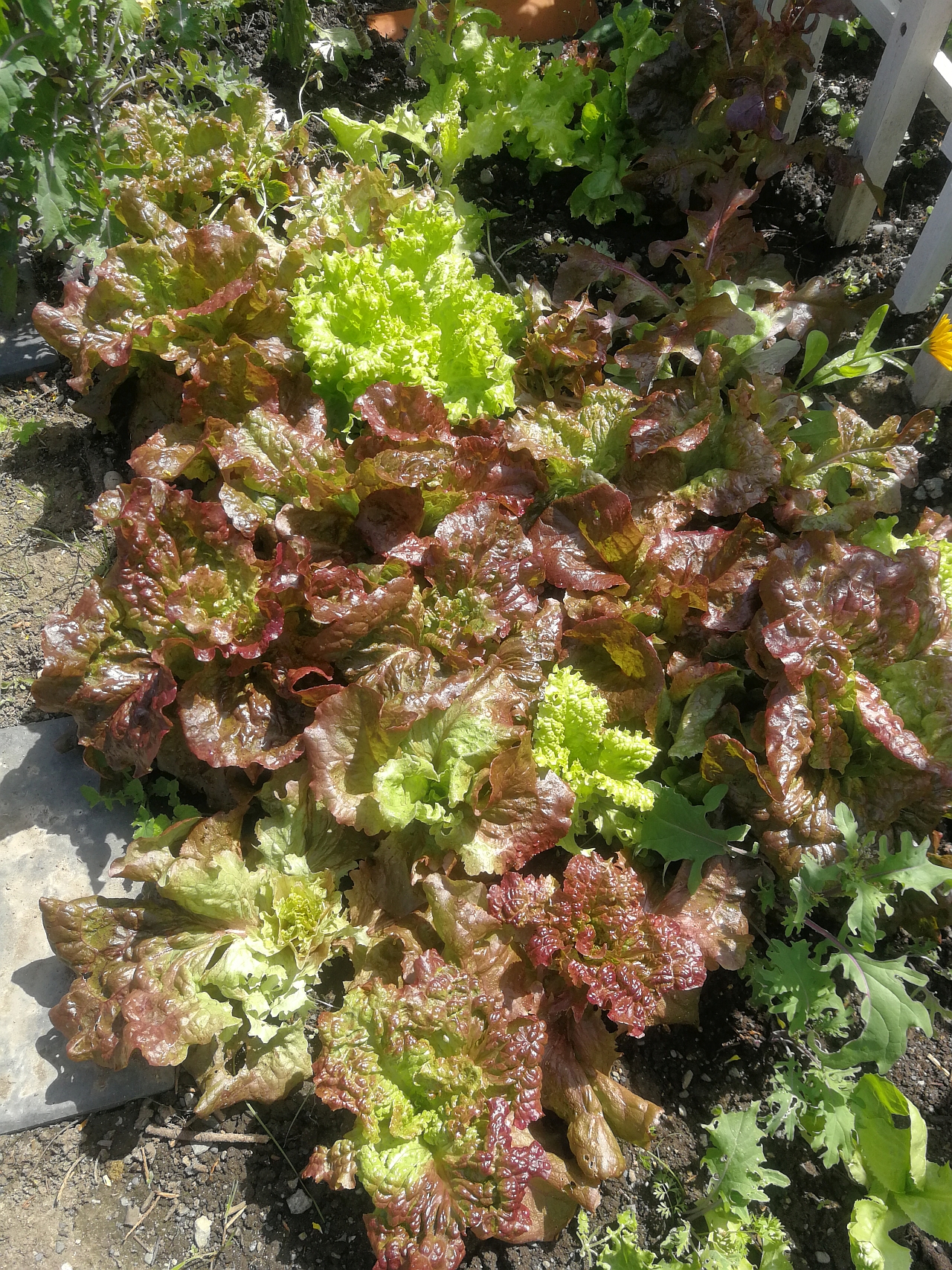

We are fortunate enough to live in a place where we can grow much of our salad greens outside year round (well, almost).
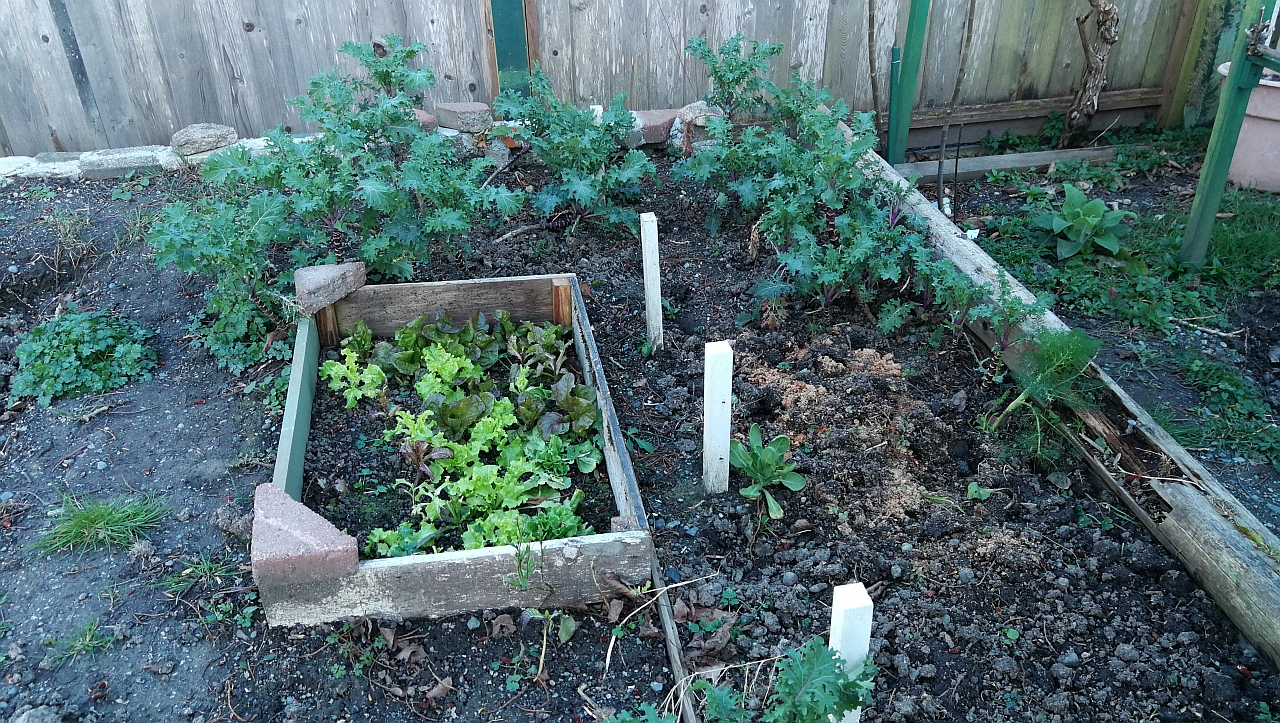
Mostly we depend on Russian Kale to keep us in greens over winter and if you check out our Town Lot Farm Salad recipe you’ll discover the secret to loving kale as a salad green. The nice thing about Russian Kale is that it doesn’t mind a bit of frost and just shrugs off the snow. It goes into a sort of suspended animation and shuts down temporarily. But as soon as temps climb above freezing, it starts to grow again.
The other nice thing about Russian Kale is that it readily goes to seed – and we let it. Well we used to until we discovered that it naturalized so much in our compost that it almost became the predominant weed in our garden. Now we limit it to just one or two plants going to seed to save for the next year. We then chip and compost them and so our soil mixture still has lots and lots of kale seeds in it. This is fun as kale pops up everywhere and all we have to do is transplant some of it into our salad garden from time to time for year round greens.
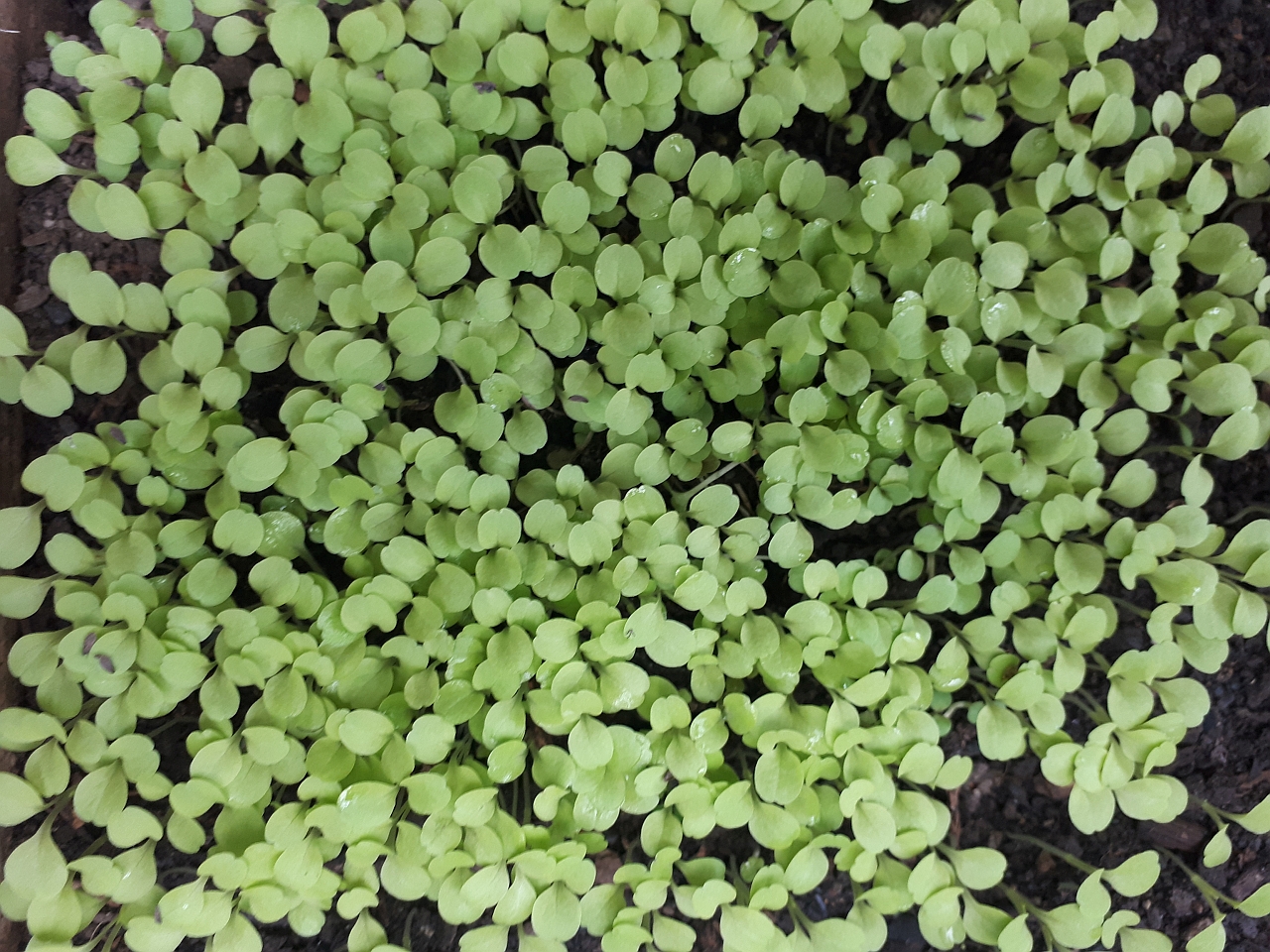
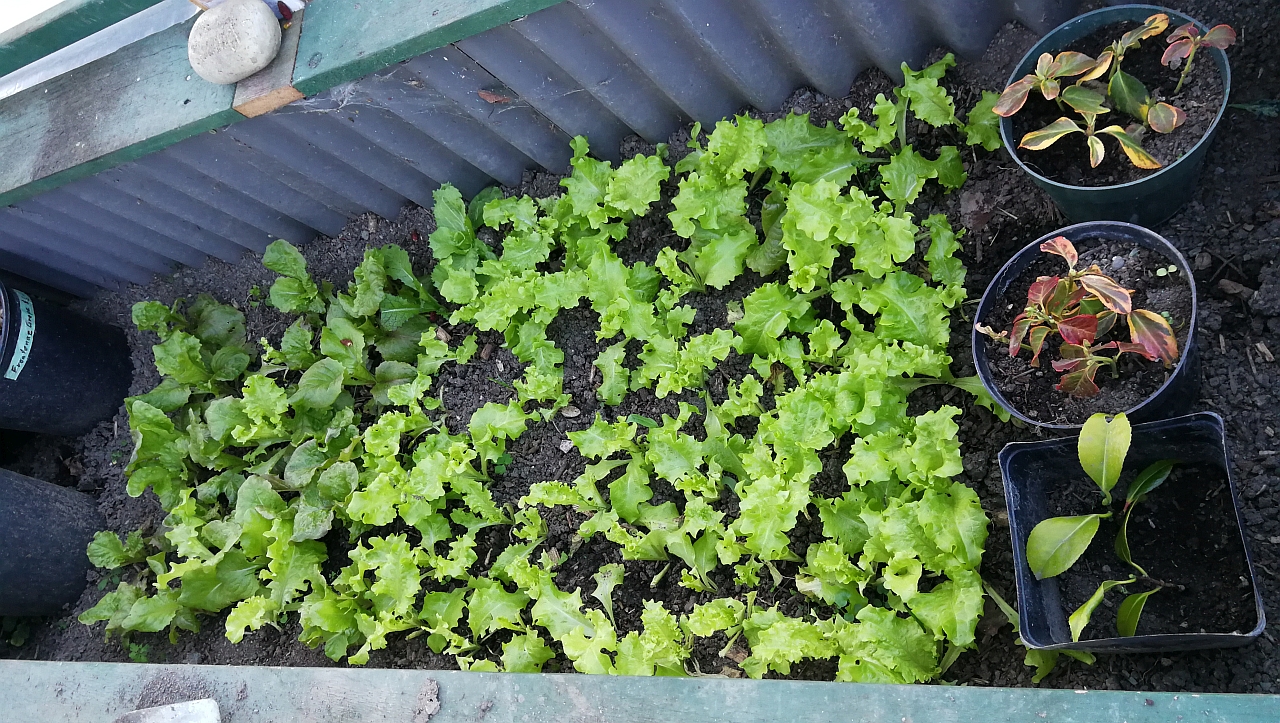
That’s the easy part. Lettuce is a little more challenging, but not much. We have zeroed in on mainly two types of lettuce. We like the frilly stuff because it retains our oil and vinegar dressing better and is very pretty. So frilly red-leaf and frilly green-leaf predominate. Again we let a couple of plants of each variety go to seed and harvest these. But young lettuce plants are very fragile and so we start them in flats in our greenhouse to keep them safe from slugs’ voracious appetites.
Once they are somewhat mature, they can keep up with the slugs appetite – especially now that the invasive Wall Lizards have spent a couple of seasons feasting on slug eggs. We find that often we can overwinter our September lettuce plantings in the hothouse or a cold frame. They don’t really produce much lettuce but are strong and ready to go in March when the last of the frost has passed.
Lettuce does like cool weather – that is it prevents the plants from bolting too quickly. But once they do, we simply start another batch. Generally we grow about three batches a year. We also grow a few plants of mustard greens, arugula, chicory.